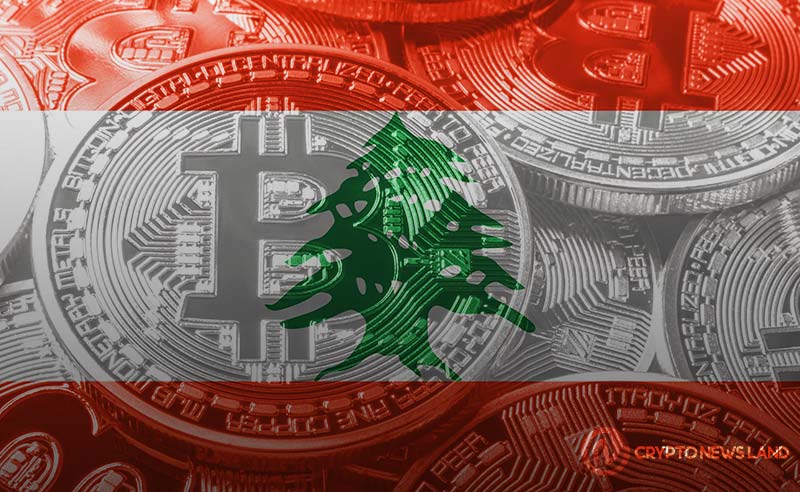
- Lebanon’s local currency has suffered a staggering 95% drop in value, crippling the nation’s economy.
- Financial institutions including banks and ATMs have been rendered non-functional, leaving the populace desperate.
- Bitcoin is providing a critical financial alternative, helping many Lebanese citizens navigate through these turbulent times.
Lebanon, a country that was once lauded for its financial stability in the Middle East, now finds itself in the midst of an unprecedented economic catastrophe. The Lebanese pound has taken a devastating blow, losing over 95% of its value in a short span. The ripple effects of this currency collapse are palpable: pensions have been rendered meaningless, and a once-robust banking system stands paralyzed with banks shutting their doors and ATMs running dry.
Amidst this dire landscape, an unexpected savior has emerged: Bitcoin. The decentralized cryptocurrency is proving to be more than just a speculative asset or a buzzword in the tech world. For many in Lebanon, Bitcoin is now a means of survival.
Without access to traditional banking, Lebanese individuals and businesses are turning to Bitcoin to protect their wealth from the rapid devaluation of the local currency. Furthermore, the global and decentralized nature of Bitcoin allows them to participate in international transactions, bypassing the crippled local financial infrastructure.
Local Bitcoin trading platforms and peer-to-peer exchanges have reported a surge in activity, underscoring the growing reliance on this digital currency. It’s not just about investment or profit; it’s about basic economic sustenance.
While the Lebanese government grapples with solutions to pull the nation out of its economic abyss, its people are showcasing resilience, adaptability, and the power of decentralized finance in action.
For many, Bitcoin isn’t just a digital asset; it’s a beacon of hope in some of the country’s darkest hours.