- INJ: Decentralized derivatives and trading infrastructure could drive strong adoption and major upside.
- GALA: Blockchain gaming and player-owned assets could fuel GALA’s long-term growth potential.
- RNDR: Rising AI and rendering demand could increase network usage and support RNDR’s value.
Investors searching for explosive altcoin gains often focus on projects with strong utility. Three names stand out for different reasons today. Injective targets decentralized derivatives and financial markets. Gala Games focuses on blockchain gaming and player-owned assets. Render supports creators with decentralized computing power for demanding workloads. Each project serves a growing sector with room for wider adoption. That combination could give INJ, GALA, and RNDR significant upside during a strong crypto market cycle ahead.
Injective Protocol (INJ)
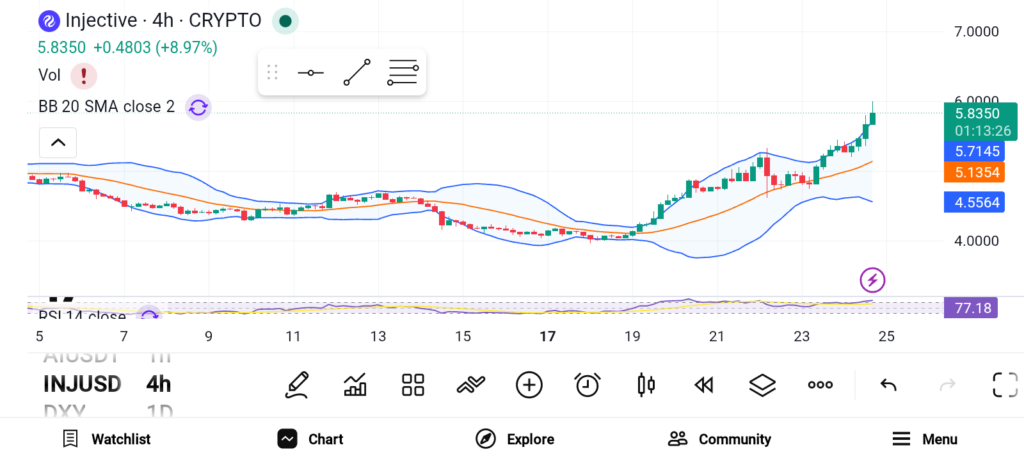
Injective focuses on decentralized trading, especially derivatives and financial products. The network gives traders access to fast on-chain markets. Strong liquidity can help attract users seeking alternatives to centralized exchanges. DeFi activity could also expand demand for efficient derivatives infrastructure. INJ could benefit if decentralized trading captures a larger share of global markets. Broader adoption across trading and lending could strengthen the upside case for INJ. Injective also benefits from a clear focus rather than chasing every crypto trend. The protocol can appeal to traders who want transparent markets. If DeFi volumes climb, derivatives could become an important source of network activity.
Gala Games (GALA)
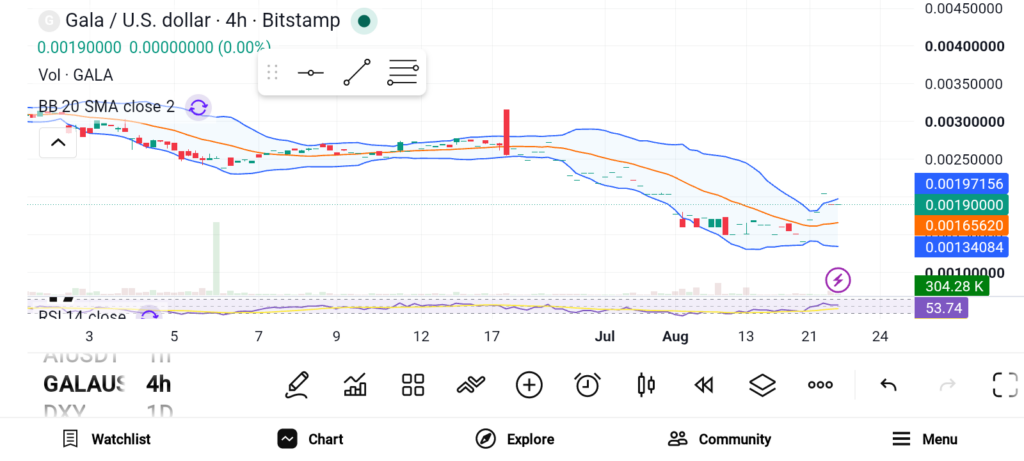
Gala Games targets one of Web3’s most consumer-friendly sectors: gaming. The platform lets players gain ownership of blockchain-based game items. That model can change how gamers interact with digital assets. Gala also aims to build a wider gaming ecosystem around blockchain technology. Growing interest in player-owned economies could support GALA demand. A strong gaming cycle could give the token another path toward substantial long-term growth. Gala also has room to grow through new titles, partnerships, and user activity. Successful games could bring mainstream players into blockchain. More users could increase demand for marketplace assets and ecosystem services. That growth could give GALA a stronger foundation for major gains.

Render (RNDR)
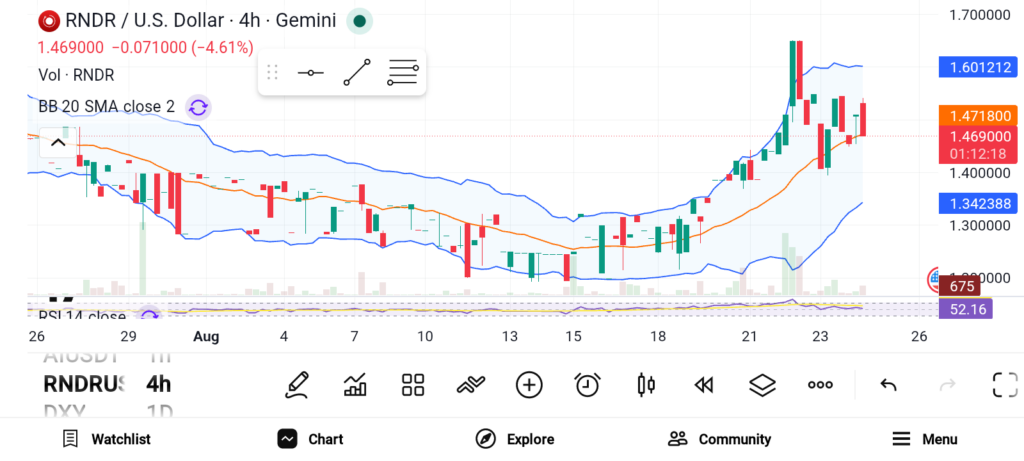
Render connects creators with decentralized computing resources for demanding digital workloads. The network can support rendering, artificial intelligence, and other compute-heavy applications. Demand for these services could rise as AI and immersive media expand. Render offers a way to access distributed computing without relying solely on traditional providers. Greater network usage could strengthen the case for RNDR over time. AI adoption gives the project another powerful growth driver beyond digital art. Render also fits a broader shift toward distributed computing. AI developers, artists, and studios need increasing amounts of processing power. A decentralized marketplace can connect spare GPU capacity with customers. Strong demand could increase network activity and support renewed interest in RNDR.
INJ offers exposure to decentralized derivatives and financial infrastructure. GALA targets blockchain gaming and player-owned digital economies. RNDR provides decentralized computing for AI and creative workloads. All three could deliver strong gains if adoption accelerates.