- NEAR: Scalable blockchain with AI-focused infrastructure, dynamic sharding, and developer incentives.
- TAO: Decentralized AI marketplace powered by specialized subnets and Yuma Consensus.
- BNB: Exchange utility token supporting low-cost transactions across the BNB Chain ecosystem.
Several promising altcoins continue to stand out as blockchain technology expands into new areas. Investors are paying close attention to projects that offer real utility, strong ecosystems, and clear long-term potential. Among the names attracting interest, NEAR Protocol, Bittensor, and BNB each bring a different value proposition. From artificial intelligence infrastructure to blockchain scalability and exchange-driven demand, these three cryptocurrencies deserve a closer look from anyone seeking growth opportunities.
NEAR Protocol (NEAR)
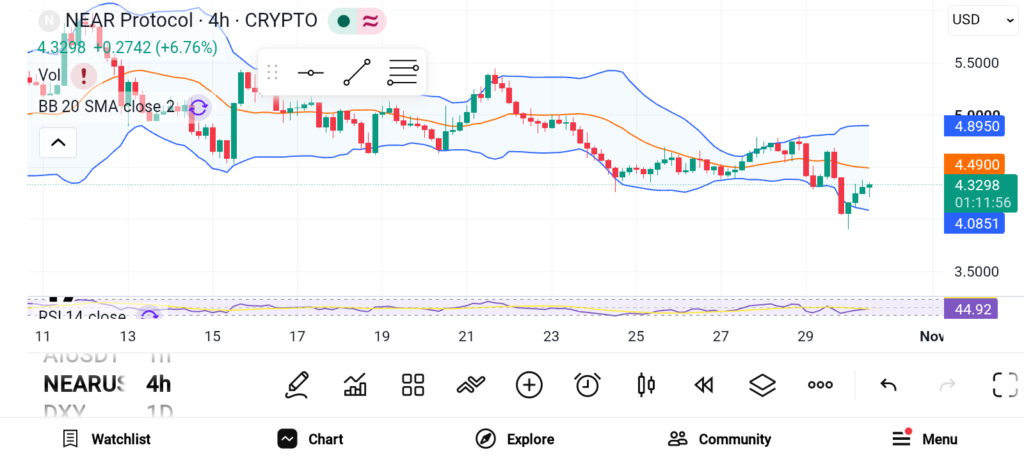
NEAR Protocol focuses on speed, scalability, and developer accessibility. The network uses a dynamic sharding design that allows high throughput without sacrificing performance. Fast transaction finality and private execution features also support advanced applications, especially those tied to artificial intelligence. Developers can build smart contracts with Rust and JavaScript, two widely used programming languages. A strong incentive model adds further appeal. Builders receive 30% of burned gas fees whenever users interact with deployed contracts. Such a structure rewards active development and encourages continued innovation across the ecosystem. Another major strength comes from NEAR Intents. This multichain framework allows users to define a desired outcome rather than manage every transaction step. External participants then compete to deliver the best result. That approach can simplify blockchain interactions and improve efficiency for everyday users.
Bittensor (TAO)
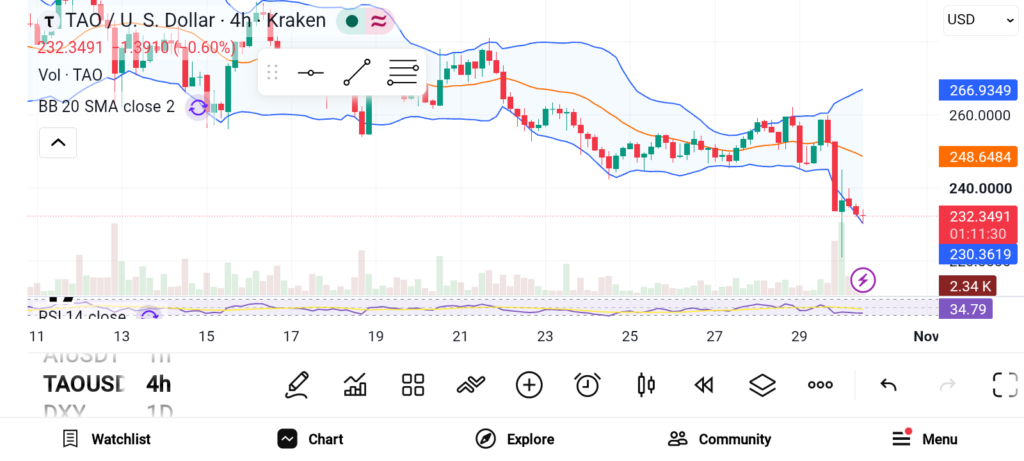
Bittensor takes a unique approach by creating a decentralized marketplace for machine intelligence. The platform consists of specialized subnets that focus on tasks such as text generation, transcription, and audio production. More than 30 subnets currently operate across the network, creating a diverse ecosystem for AI-driven services. A standout feature is Yuma Consensus. This mechanism enables validators to influence network learning outcomes across different subnets. Such a model helps shape how intelligence develops within the system while keeping participation decentralized. Miners contribute the computing power required for machine learning workloads. In return, they receive TAO tokens as rewards. Anyone seeking AI services on the network must also use TAO for payment.

Binance Coin (BNB)
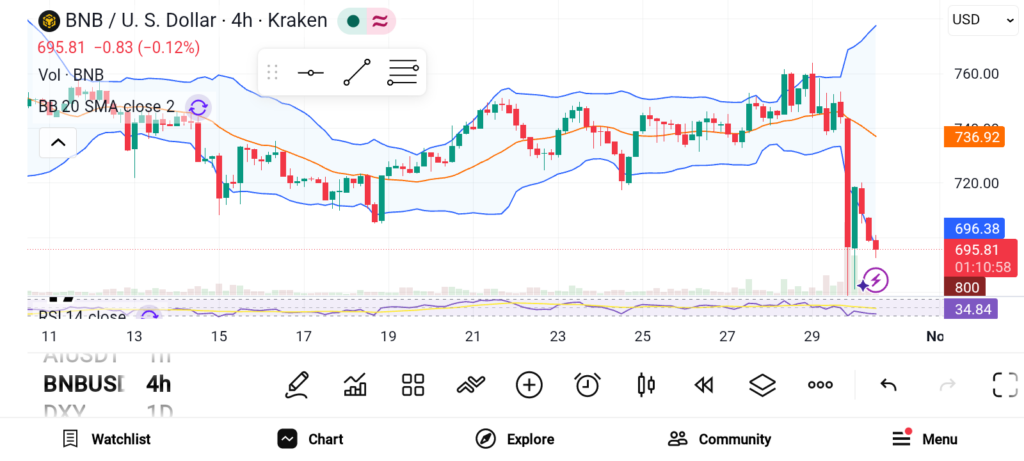
BNB remains one of the most established assets in the cryptocurrency sector. Launched by the Binance exchange in 2017, the token provides practical benefits for users. Holders gain access to reduced trading fees, Launchpad opportunities, Launchpool participation, and cashback rewards through the Binance Visa card program. Beyond exchange perks, BNB serves as the native asset of BNB Chain. This blockchain offers low transaction costs and supports EVM-compatible applications. Developers can move Ethereum-based projects with relative ease while giving users a more affordable experience. Strong utility across both the exchange and blockchain environment continues to support demand.
NEAR, TAO, and BNB each address different areas of blockchain growth. NEAR focuses on scalable infrastructure and AI-friendly development. Bittensor connects machine intelligence with decentralized incentives. BNB combines exchange utility with an efficient smart contract ecosystem, making all three worth watching.