- Zcash offers strong privacy, limited supply, and future Proof-of-Stake potential.
- Uniswap leads decentralized trading with AMM innovation and governance utility.
- Sky powers decentralized stablecoins through overcollateralized DeFi infrastructure.
Investors preparing for 2026 should pay close attention to cryptos with strong foundations and practical use cases. While many digital assets rise and fall on speculation, some projects continue delivering meaningful value through innovation and adoption. Zcash, Uniswap, and Sky each serve important roles across privacy, decentralized finance, and blockchain governance. These three cryptocurrencies offer distinct advantages that may position them well for long-term growth.
Zcash (ZEC): Privacy-Focused Crypto with Long-Term Potential
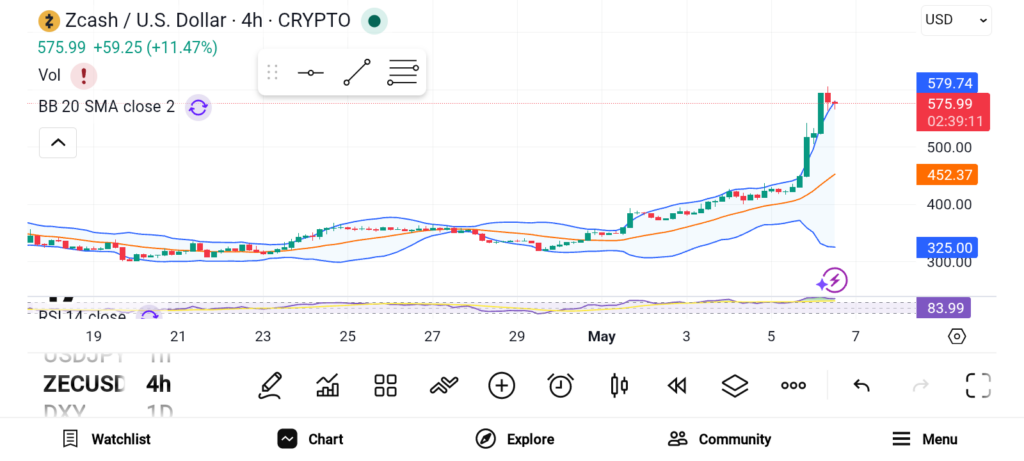
Zcash has remained relevant because privacy still matters in digital finance. Since launching in 2016, Zcash has offered users enhanced transaction confidentiality through zk-SNARK technology. This advanced system allows secure verification without revealing transaction details. Few cryptocurrencies provide this level of privacy, which gives ZEC a specialized role within the broader market. Like Bitcoin, Zcash operates with a maximum supply of 21 million coins. This limited supply creates scarcity, which many investors view as valuable over time. Mining currently secures the network through Proof-of-Work, while periodic halvings reduce new supply issuance. Community support for a possible transition to Proof-of-Stake may also improve energy efficiency and strengthen future adoption. For investors who value privacy, scarcity, and technological innovation, ZEC deserves attention.
Uniswap (UNI): The Backbone of Decentralized Trading
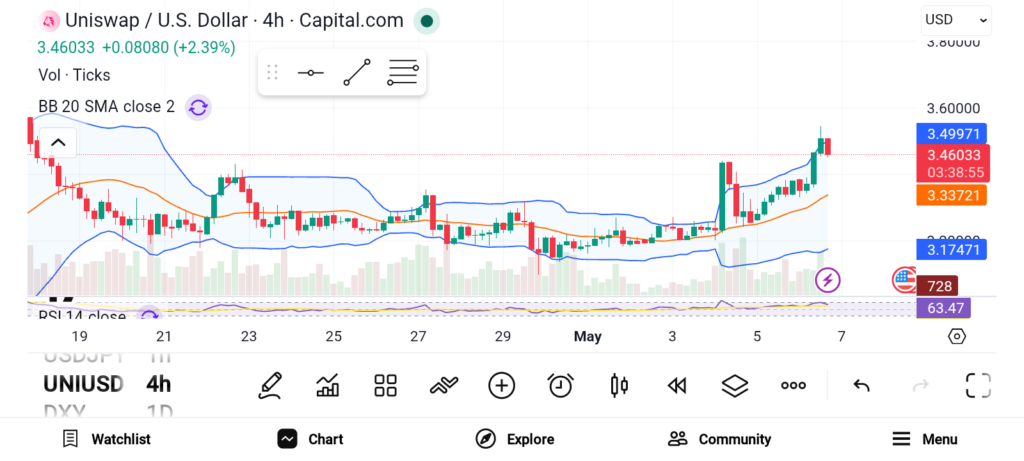
Uniswap changed cryptocurrency trading by removing traditional intermediaries. Through automated market maker technology, users can swap tokens directly from decentralized liquidity pools. This model opened decentralized trading to millions and became a standard across DeFi platforms. Uniswap remains one of the most active decentralized exchanges by trading volume. New crypto assets often launch on Uniswap before appearing on centralized exchanges, which keeps the platform highly relevant. UNI token holders also influence governance decisions through proposal voting, giving the community real control over protocol development. As decentralized finance expands, Uniswap’s leadership position could strengthen further. Strong brand recognition, deep liquidity, and governance power make UNI appealing for investors seeking exposure to DeFi’s continued growth.

Sky (SKY): Stablecoin Infrastructure with DeFi Strength
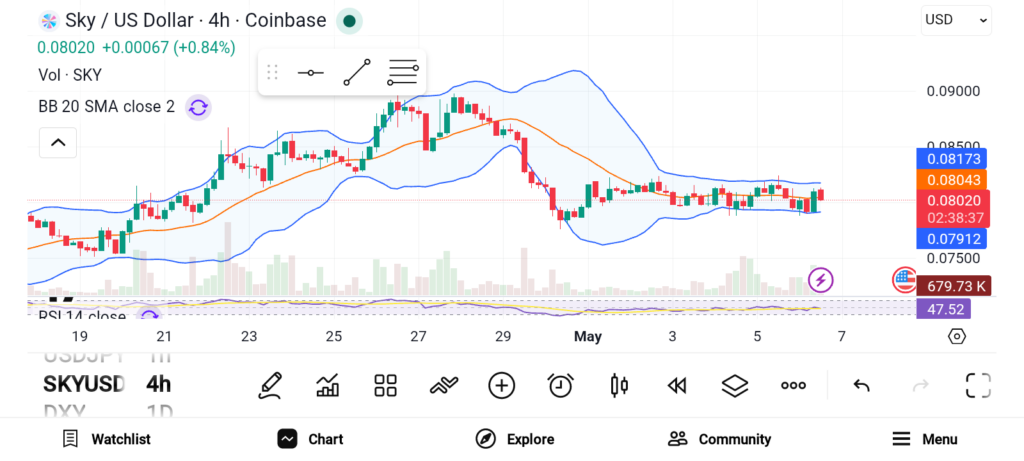
Sky, previously known as Maker, plays a foundational role in decentralized finance. The protocol manages USDS, a decentralized stablecoin backed by overcollateralized crypto assets. This structure helps maintain stability while reducing dependence on centralized financial systems. Users lock collateral into smart contracts to mint USDS, while SKY token holders oversee governance. Since launching in 2014, Sky has expanded beyond ETH-only collateral into a broader system supporting diverse assets. This flexibility has strengthened protocol resilience. Stablecoins remain essential for decentralized markets, and Sky’s proven history gives confidence. Investors interested in blockchain infrastructure may find SKY especially attractive.
ZEC, UNI, and SKY each bring unique strengths to crypto portfolios. Privacy, decentralized exchange leadership, and stablecoin innovation create diverse opportunities. These projects offer utility beyond speculation. For 2026, all three stand out as serious accumulation candidates.