
- XRP: Focuses on fast digital payments, strong liquidity, and established market recognition.
- SOL: Supports high-volume blockchain activity, DeFi, consumer applications, and growing developer adoption.
- ADA: Uses a research-focused approach while supporting proof-of-stake and smart contracts.
The crypto market offers many projects worth watching in 2026. Three names stand out for different reasons. XRP focuses on fast value transfers across the XRP Ledger. Solana supports high-volume blockchain activity and growing applications. Cardano takes a research-driven approach to smart contracts and network development. Each project has a different role and risk profile. Understanding these differences can help investors build a focused crypto watchlist.
Ripple (XRP)
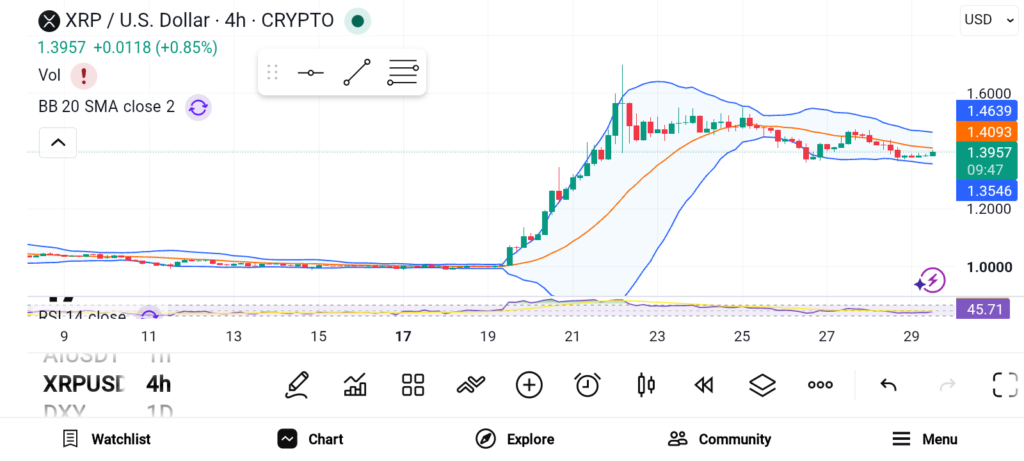
XRP serves as a digital asset for direct payments. Users can transfer value through the XRP Ledger within seconds. The network supports direct XRP payments through a single transaction. This gives XRP a clear use case within digital payments. The token also benefits from strong liquidity and broad market recognition. XRP has remained among the largest crypto assets for years. That long market history gives the project strong visibility among investors. XRP differs from networks such as Ethereum and Solana. Rather than focusing mainly on smart contracts and applications, XRP targets payments. That focused purpose remains a key reason to watch XRP. XRP also benefits from a large and established user base across crypto markets. Trading activity can provide strong liquidity during periods of increased market interest. However, investors should still monitor regulation, competition, and broader market conditions.
Solana (SOL)
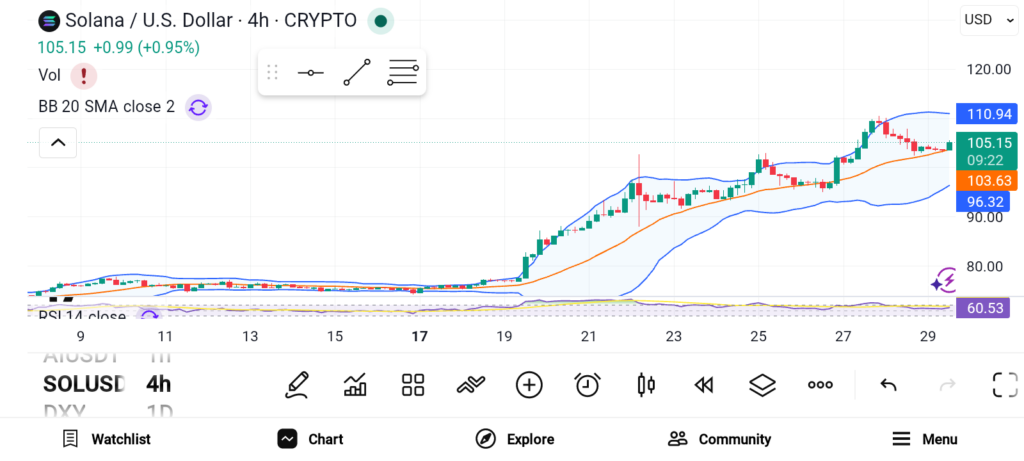
Solana stands as a major blockchain infrastructure project after Ethereum. The network focuses on speed, high capacity, and mainstream blockchain adoption. Solana supports decentralized finance, meme trading, and consumer-focused applications. Strong on-chain activity can also support demand for SOL. Developers continue using the network for applications that require high transaction capacity. SOL offers exposure to the broader growth of blockchain applications. The network has developed a strong presence across several crypto sectors. These include decentralized exchanges, gaming, payments, and consumer applications. High activity can strengthen the network’s relevance among developers and users. However, market activity can shift quickly during volatile crypto periods.
Cardano (ADA)
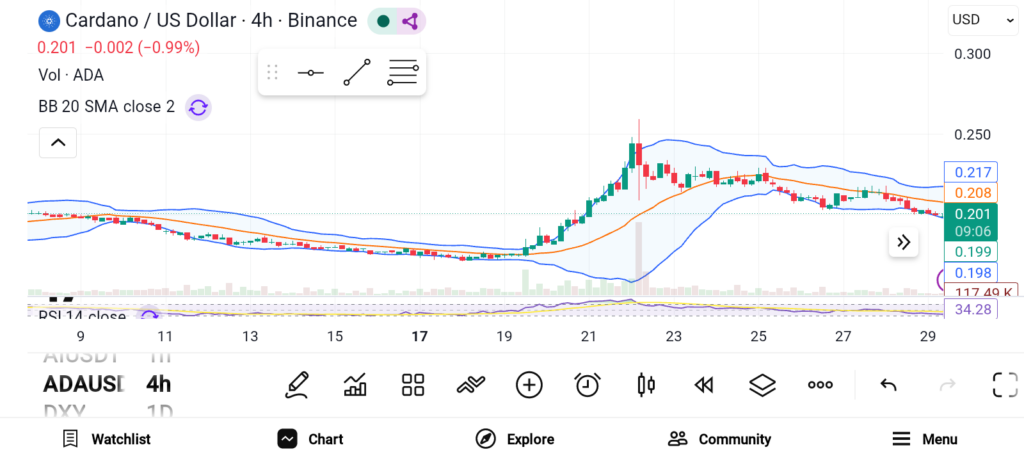
Cardano follows a research-focused approach to blockchain development. The network uses proof-of-stake and supports smart contracts. Developers can build decentralized applications using Cardano’s ecosystem and tools. ADA remains among the larger crypto assets by market value. However, Cardano faces strong competition from Ethereum and Solana. The project still deserves attention because of the long-term approach behind development. Cardano emphasizes careful research before introducing major network changes. This approach can support steady development and stronger network security. However, investors should watch adoption and developer activity closely.
XRP offers a focused approach to fast digital payments. Solana combines high network capacity with strong application activity. Cardano provides a research-led alternative for smart contracts and blockchain development. All three projects deserve attention, but investors should weigh adoption, competition, and market risk.