
- JUP dominates Solana DeFi with aggregation, stablecoins, prediction markets, and tokenized equities.
- PYTH delivers institutional-grade oracle data across 90+ blockchains and growing sectors.
- AAVE leads DeFi lending with strong revenue, massive TVL, and improved token economics.
Many crypto investors focus on large and well-known coins. That approach can overlook strong opportunities. Some promising crypto projects deliver real value yet trade below perceived potential. Jupiter, Pyth Network, and Aave fall into that category in 2026. Each project serves a critical role within digital assets. Strong adoption, growing revenue, and expanding ecosystems support long-term growth. For investors seeking overlooked opportunities, these three assets deserve a closer look.
Jupiter (JUP)
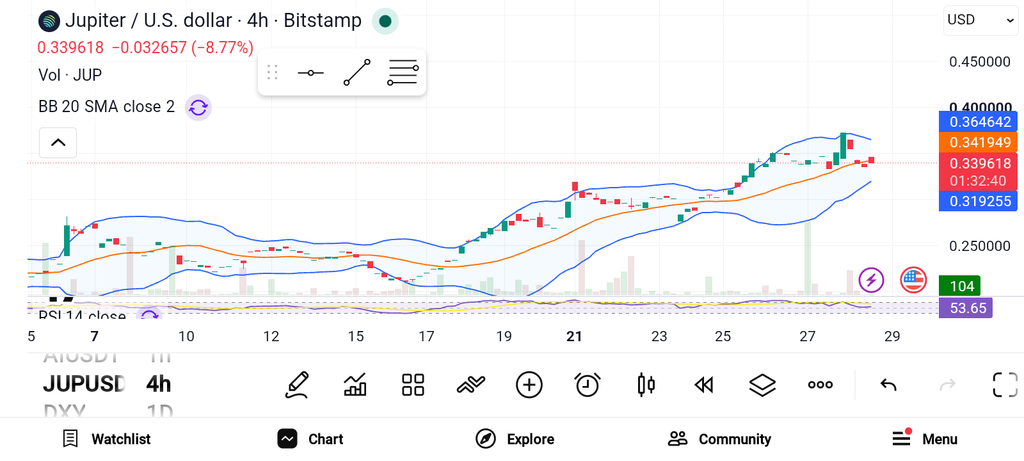
Jupiter has grown far beyond a simple DEX aggregator on Solana. Today, the platform acts as a major hub for decentralized finance activity. Nearly all Solana aggregator traffic flows through Jupiter, giving the protocol a dominant market position. Large trading volumes and deep liquidity strengthen that advantage. Growth has accelerated through several new products. JupUSD expanded Jupiter’s reach into stablecoins. A prediction market feature added another source of user activity. Partnerships with leading financial firms also opened the door to tokenized equity trading. With billions of dollars locked across the ecosystem, Jupiter continues building one of the most complete DeFi platforms on Solana. Despite this progress, many investors still undervalue JUP compared with project fundamentals.
Pyth Network (PYTH)
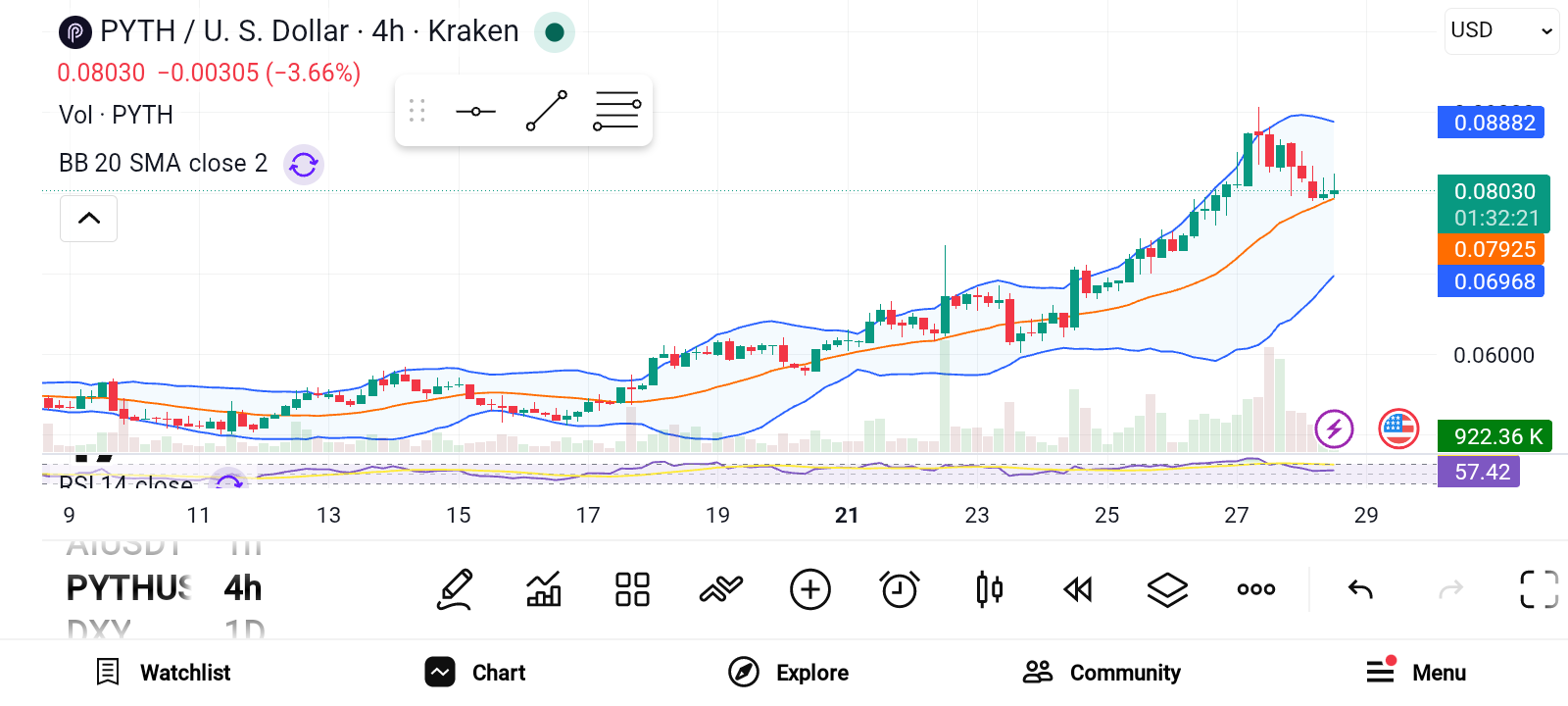
Pyth Network provides an essential service for blockchain applications. Oracle networks deliver outside information to smart contracts. Pyth approaches this challenge differently. Rather than sending constant updates, the network responds when applications request data. This design supports efficient and accurate information delivery. More than 120 institutions contribute data directly to the network. Major trading firms and financial organizations help support feed quality. Pyth also operates across dozens of blockchain networks, giving the project broad reach. Growth in subscription revenue highlights increasing institutional demand. Another major milestone arrived when the United States Department of Commerce selected Pyth for on-chain publication of economic data.

Aave (AAVE)
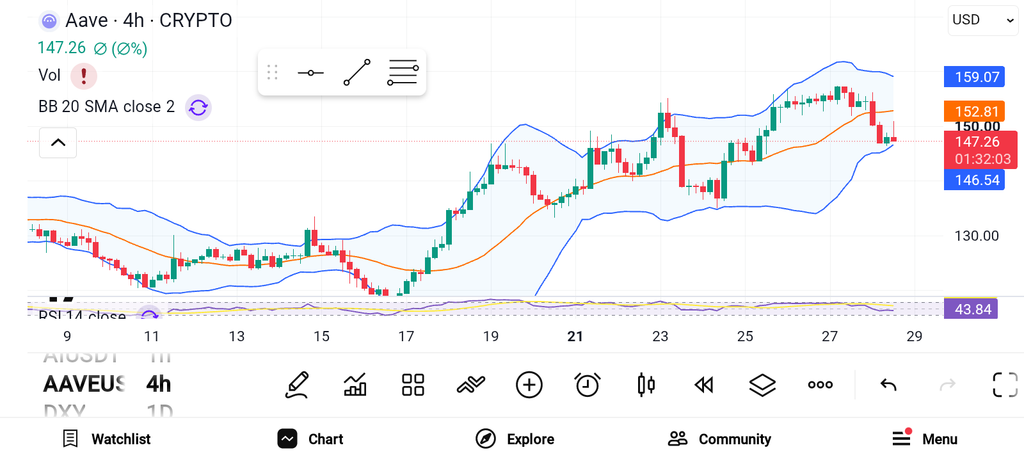
Aave remains the leading decentralized lending protocol. Users can lend digital assets, earn yield, and borrow through smart contracts without traditional intermediaries. Few DeFi projects match Aave’s scale, reliability, and track record. The protocol has processed more than one trillion dollars in lending activity. Total value locked stands near $42 billion, while market share remains dominant within decentralized lending. Revenue generation also remains strong. A major governance change in 2026 transformed token economics by directing all product revenue to the DAO. That shift created a stronger connection between protocol performance and AAVE value.
Jupiter dominates Solana’s DeFi infrastructure through a growing suite of products. Pyth Network delivers critical market data across many blockchains and institutions. Aave leads decentralized lending with strong revenue and market share. Together, JUP, PYTH, and AAVE stand out as three of the most undervalued crypto assets of 2026.