
- Ethereum supports smart contracts, decentralized applications, and a broad blockchain ecosystem.
- Ripple focuses on faster, lower-cost cross-border payments for financial institutions.
- Solana emphasizes fast transactions, low fees, and growing tokenization activity.
Ethereum, Ripple, and Solana remain among crypto’s most discussed networks. Each project serves a different purpose within the digital asset market. Ethereum supports smart contracts and decentralized applications across many sectors. XRP focuses on faster cross-border payments for financial institutions. Solana targets fast transactions and low network costs for users. Their different designs continue attracting developers, investors, and businesses exploring blockchain technology and tokenized assets across financial markets.
Ethereum Supports a Growing Blockchain Economy
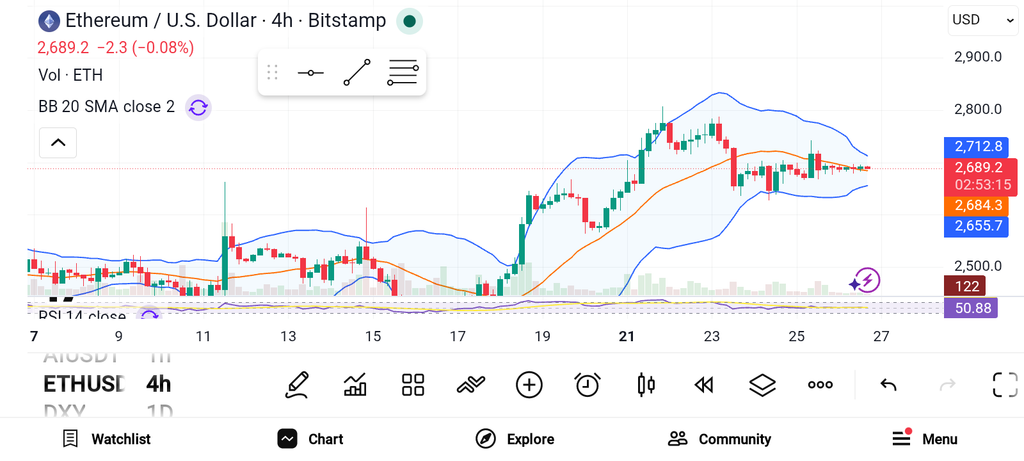
ETH powers the Ethereum blockchain, which launched in 2015. Vitalik Buterin and other developers designed Ethereum for more than simple transactions. The network supports smart contracts and decentralized applications. Developers can build financial services, games, marketplaces, and other applications on Ethereum. More than 500,000 daily active addresses used the network in August 2025. Users pay network fees with ETH when interacting with applications and services. The market often compares ETH with digital oil because applications need ETH for operations. Ethereum does not have a fixed maximum supply like XRP. However, network mechanisms can reduce the available supply under certain conditions. This dynamic can influence ETH’s long-term market structure. Ethereum also remains a major platform for decentralized finance and tokenized assets.
XRP Targets Cross-Border Payments
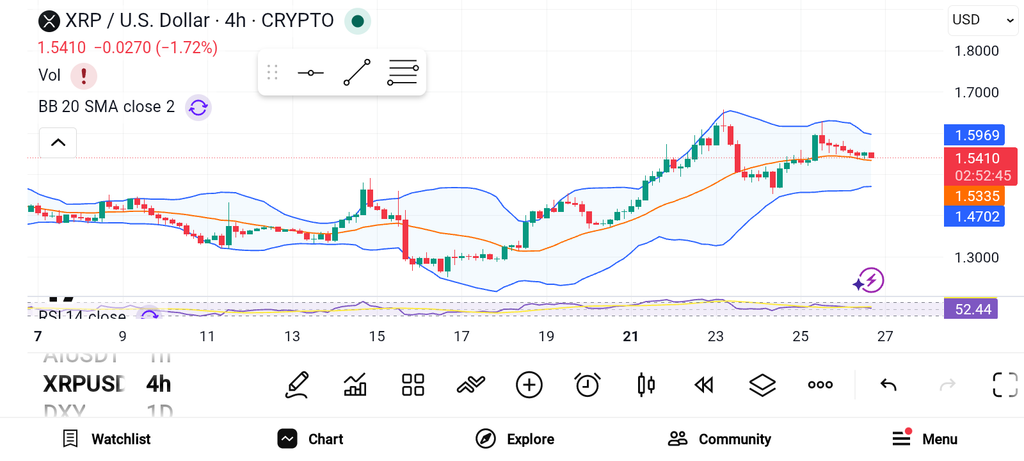
XRP serves as the native asset of the XRP Ledger. Ripple Labs developed the network with international payments in mind. Financial institutions can use XRP as a bridge between different currencies. For example, a payment provider could convert dollars into XRP. The provider could then convert XRP into another currency. This process can reduce settlement time and lower some transaction costs. XRP also has a fixed supply of 100 billion tokens. The network created all tokens when the ledger launched. Ripple placed a large portion into escrow to manage distribution. The company releases tokens from escrow periodically for operational needs. Unused amounts can return to escrow after each release cycle.

Solana Competes Through Speed and Cost
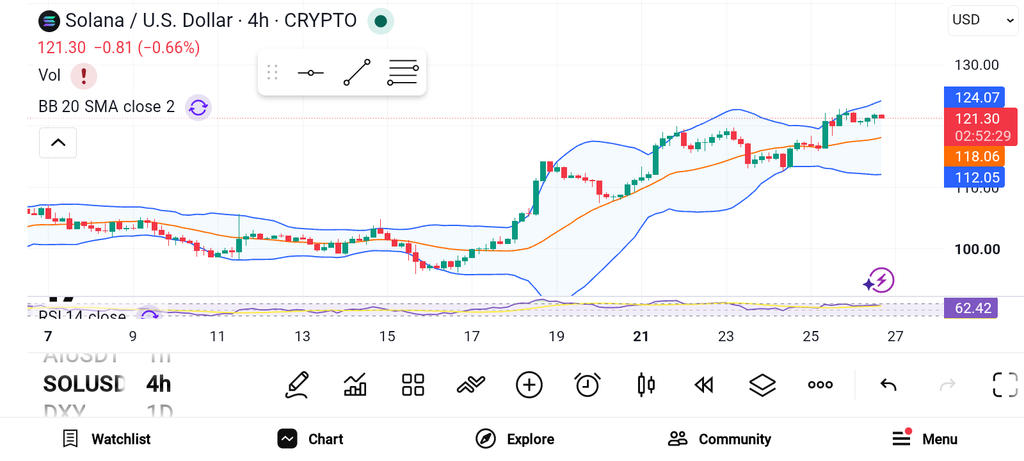
Solana uses SOL as the native asset of the Solana blockchain. Anatoly Yakovenko and a team of engineers launched the network fully in 2020. Solana focuses on fast transactions and relatively low network fees. The blockchain also uses proof of history to help order transactions efficiently. Solana has attracted users across decentralized finance, trading, and digital assets. The network also reports significantly higher daily active addresses than Ethereum. SOL reached a market capitalization of roughly $47 billion in March 2026. Solana has also gained attention around asset tokenization. BlackRock CEO Larry Fink has described tokenization as the next generation of markets.
Ethereum, Ripple, and Solana serve different blockchain purposes. ETH supports smart contracts and decentralized applications. XRP focuses on cross-border financial transfers. SOL emphasizes speed, low costs, and growing tokenization use cases.