- President Maduro has enforced a ban for ten days on X following allegations of election fraud, intensifying the ongoing crisis.
- The international response is divided, with countries like the U.S. rejecting the results and urging transparency in the electoral process.
- The conflict between President Maduro and Elon Musk over X’s role in the unrest has further heightened tensions in Venezuela.
In the aftermath of the Venezuelan election, President Nicolás Maduro issued a ten-day ban on the social media platform X, formerly Twitter. This decision comes after widespread allegations of electoral fraud following the July 28 election, in which Maduro was declared the winner, different from opinion polls’ data.
Election Results and Public Unrest
The National Electoral Council announced that President Maduro secured 51.2% of the vote, narrowly defeating opposition candidate Edmundo Gonzalez Urrutia, who purportedly received 44.2%. The announcement led to widespread accusations of fraud, which also spread across social media. Protests from Venezuelans nationwide and abroad broke out, demanding Maduro step down and honor Gonzalez’s win.
These results have sparked national and international uproar, with accusations of vote manipulation flooding social media platforms. In response to growing protests and calls for transparency, foreign ministers from Brazil, Colombia, and Mexico have urged Venezuela’s electoral authorities to release detailed voting tallies.
Escalating Dispute with Elon Musk and International Reactions
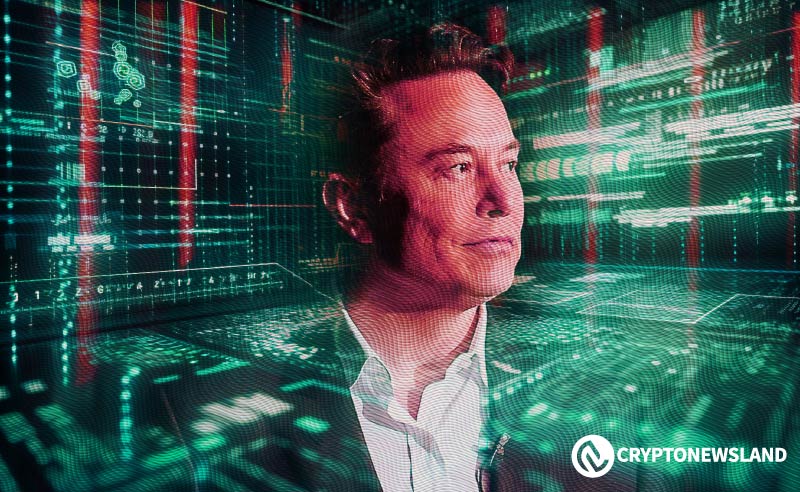
Further complicating matters, President Maduro’s conflict with Elon Musk, the owner of X, has intensified. Maduro accuses Musk of inciting hatred and promoting unrest, which he alleges contributed to the post-election volatility. The former Venezuelan has implemented a ban in his country as noted by unusual whales in the X space platform.
This animosity reached new heights, with both figures publicly exchanging harsh words and even challenging each other to a fight, broadcasted via X and state television.
The global response has been different. While countries like China and Russia have recognized Maduro’s victory, others, such as the United States, Argentina, and Chile, have declined to acknowledge the results, calling instead for openness and verifying vote counts. Brian A. Nichols, a U.S. State Department official, emphasized that the voices of Venezuelan voters cannot be silenced by repression or censorship.