
- Bitcoin leads through security, liquidity, and digital gold status during uncertain market cycles.
- Ethereum thrives on smart contracts, staking, and broad blockchain ecosystem utility.
- Binance Coin delivers stability through exchange utility, liquidity, and consistent trading demand.
The crypto market moves quickly, and many projects fade before proving real value. New tokens appear daily, but only a few continue holding strong through market crashes, regulation shifts, and investor fear. Long-term success in crypto depends on trust, utility, and consistent demand. Bitcoin, Ethereum, and Binance Coin have survived where countless others failed. These three projects built strong foundations and continue leading because each offers lasting relevance beyond short-term speculation.
Bitcoin (BTC)
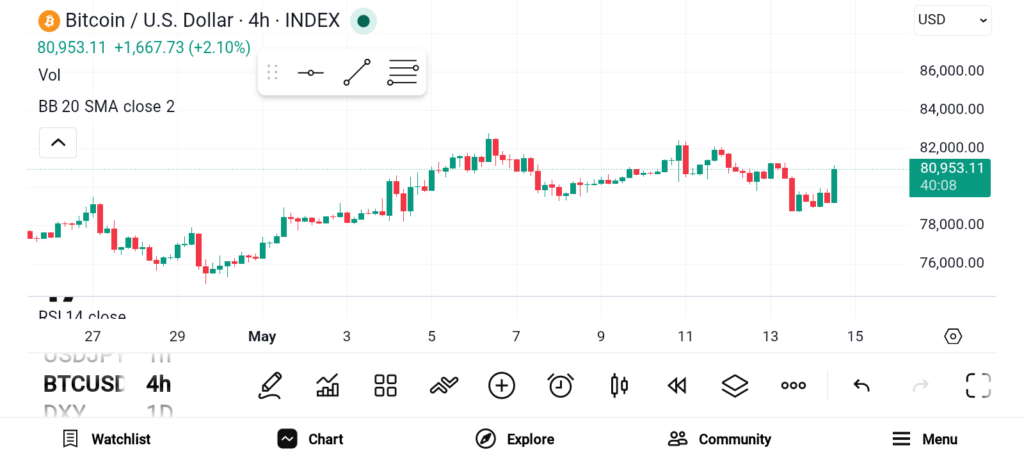
Bitcoin remains the backbone of the crypto market. While BTC still experiences volatility, performance often appears steadier than smaller digital assets. Deep liquidity, massive global recognition, and strong institutional support help Bitcoin maintain that role. During uncertain market conditions, many investors shift capital toward BTC because Bitcoin often feels like the safest option within crypto. The digital gold narrative continues strengthening Bitcoin’s position. Investors value BTC as a store of wealth, much like precious metals. Large companies, hedge funds, and even some governments now recognize Bitcoin’s importance. Strong decentralization and unmatched network security also reinforce confidence. Bitcoin may not avoid sharp corrections, but BTC consistently demonstrates resilience that newer projects rarely match. That reliability keeps Bitcoin at the center of crypto investing.
Ethereum (ETH)
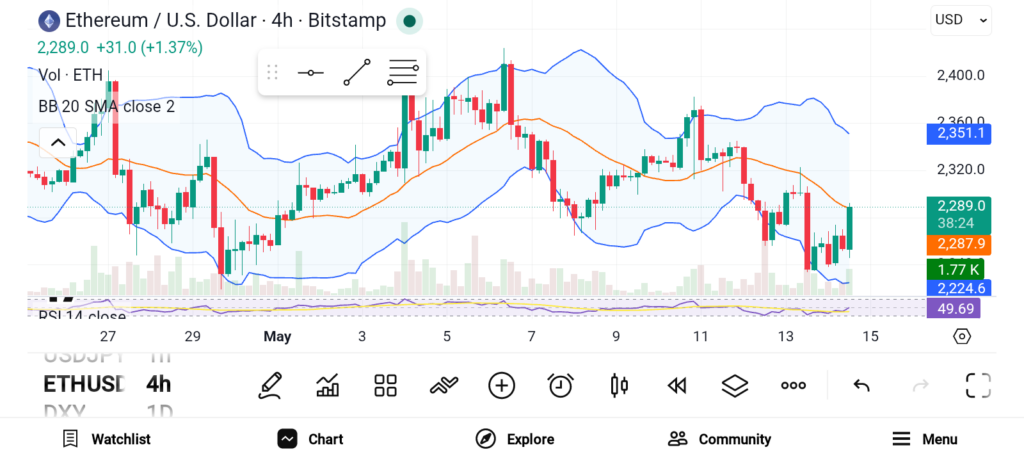
Ethereum built staying power through practical use. ETH fuels decentralized applications, smart contracts, NFTs, DeFi platforms, and Layer-2 ecosystems. This broad utility creates constant demand from developers, businesses, and users across multiple blockchain sectors. Ethereum became more than a cryptocurrency because the network supports entire industries. Staking also improved Ethereum’s long-term appeal. Many holders now lock ETH for rewards, reducing circulating supply while encouraging long-term commitment. Ethereum benefits from support across many user groups, including traders, institutions, enterprises, and developers. This diversity strengthens resilience during volatile cycles. Ethereum’s ecosystem continues expanding, and that ongoing innovation supports strong market relevance. ETH remains a major force because utility creates lasting value.

Binance Coin (BNB)
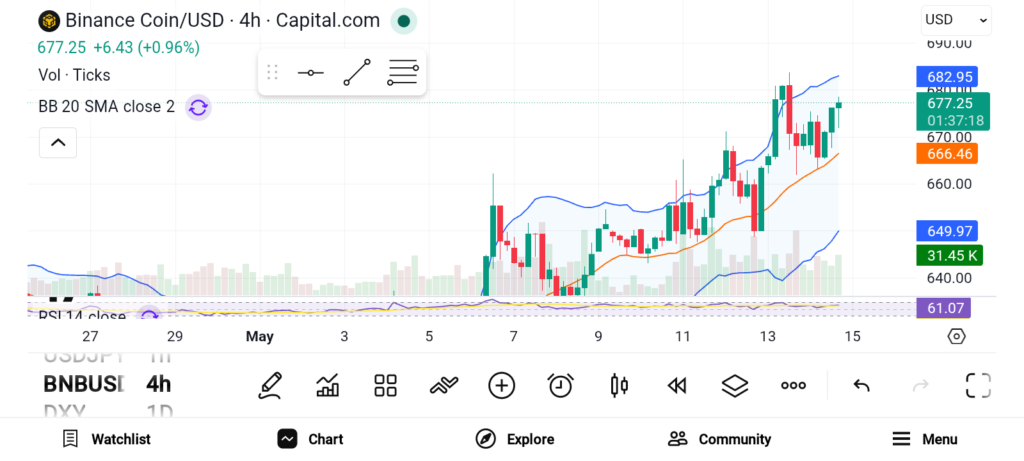
Binance Coin holds strength through exchange-based utility and ecosystem demand. BNB serves critical functions inside one of the world’s largest crypto trading platforms. Traders use BNB for lower fees, token launches, and efficient transactions across Binance services. This practical role keeps demand consistent. Strong liquidity also adds stability. BNB allows users to move capital efficiently while reducing friction during active trading periods. As Binance expanded services globally, Binance Coin gained wider use cases beyond simple exchange discounts. Investors continue returning because BNB combines utility with accessibility. While newer competitors emerge regularly, Binance Coin maintains relevance through active integration and dependable market presence.
Bitcoin, Ethereum, and Binance Coin continue proving that strong fundamentals matter. Each project survived because real-world value supports long-term demand. Trust, security, and utility keep these assets relevant. Their endurance shows that lasting crypto success requires more than hype alone.