- ATOM: Cosmos connects independent blockchains, supporting seamless interoperability across multiple crypto ecosystems.
- DOT: Polkadot enables scalable parachains, giving developers flexible and secure blockchain infrastructure.
- ADA: Cardano drives real-world adoption through sustainable blockchain technology across multiple industries.
Finding altcoins with lasting value takes more than watching price charts. Strong technology, active development, and real adoption often matter more than short-term excitement. Several blockchain projects continue expanding while solving practical challenges across the crypto industry. Cosmos, Polkadot, and Cardano remain among those networks. Each offers unique technology, growing ecosystems, and long-term potential. Investors seeking future growth should keep these three altcoins on their watchlist.
Cosmos (ATOM)
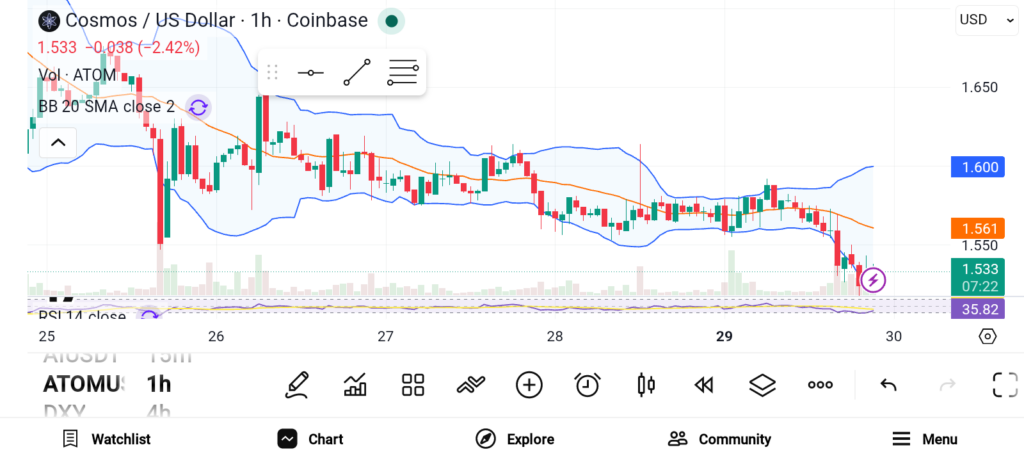
Cosmos focuses on connecting blockchain networks instead of replacing them. Many blockchains still operate as separate ecosystems. Cosmos changes that by allowing different chains to communicate through the Inter-Blockchain Communication protocol. This approach improves efficiency and opens new opportunities for developers and users. ATOM serves as the native token across the Cosmos ecosystem. Many independent blockchains rely on Cosmos technology while keeping separate identities.
Major networks such as BNB Chain, Ethereum, THORChain, Bitcoin, Crypto.com, and Terra have adopted Cosmos consensus technology. Together, these networks represent more than $141 billion in digital assets. Such broad adoption highlights strong confidence in Cosmos infrastructure.The Interchain Foundation continues leading development alongside a growing global team. Ongoing innovation strengthens network security and expands interoperability. Growing demand for connected blockchain ecosystems could support stronger long-term growth for ATOM.
Polkadot (DOT)
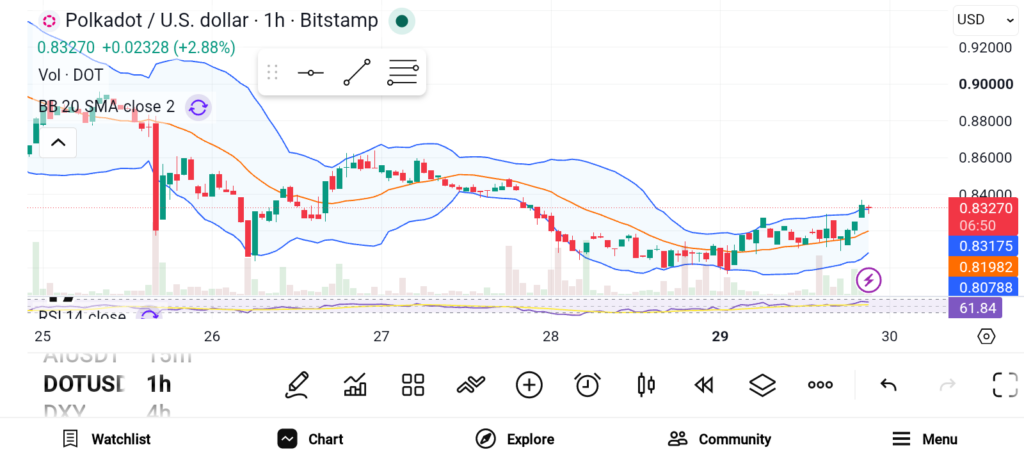
Polkadot takes a different approach to blockchain development. Rather than building applications on one shared network, developers create independent blockchains called parachains. These parachains remain connected while sharing security and communication across the wider Polkadot ecosystem.Ethereum co-founder Gavin Wood introduced Polkadot in 2016. The first parachain, Acala, launched during October 2021 and demonstrated practical use for decentralized finance. Since then, more developers have explored Polkadot because of strong scalability and flexible infrastructure.DOT powers transactions, governance, and network security. Strong market value reflects growing confidence from investors. Projects seeking customized blockchain solutions may continue choosing Polkadot over traditional platforms. Greater adoption could strengthen long-term demand for DOT.

Cardano (ADA)
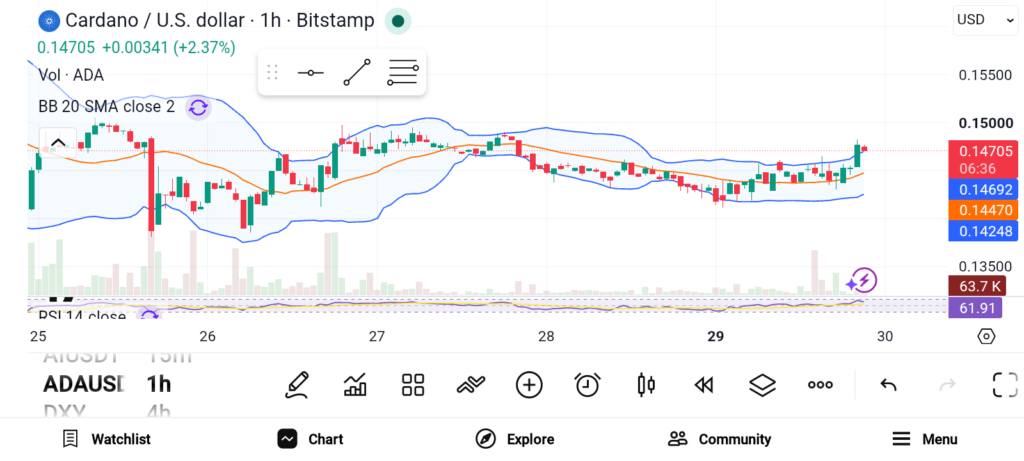
Cardano remains one of the most established blockchain platforms for long-term investors. The network launched with a strong focus on improving efficiency while reducing transaction costs. Research-driven development also separates Cardano from many competing projects. ADA has delivered impressive growth during recent years while attracting developers and organizations worldwide. The Cardano Foundation supports adoption by developing legal standards, commercial partnerships, and technical resources. Strong community support continues driving network expansion. Several industries already explore Cardano technology. Education, agriculture, healthcare, retail, finance, and government projects continue adopting blockchain solutions through the ecosystem. Growing real-world adoption gives ADA stronger long-term value beyond market speculation.
Cosmos, Polkadot, and Cardano each solve different blockchain challenges. Every network continues expanding through practical technology and active development. Long-term investors may find strong opportunities across all three projects. Continued adoption could support meaningful growth during future market cycles.