- Polygon continues expanding Ethereum’s ecosystem despite reduced hype and growing competition in blockchain scaling.
- Bitcoin Cash supports affordable, fast payments through larger blocks and practical transaction utility.
- Ethereum powers DeFi, stablecoins, and tokenized assets while strengthening network security through staking.
The crypto market offers several projects with strong foundations and practical uses. Polygon, Bitcoin Cash, and Ethereum each serve different purposes within the industry. Polygon focuses on scaling Ethereum and supporting blockchain applications. Bitcoin Cash targets affordable, everyday digital payments. Ethereum powers much of the decentralized economy. Their ongoing development and established networks could attract fresh attention during future market rallies. However, investors should assess risks before considering any potential opportunities.
Polygon (POL)
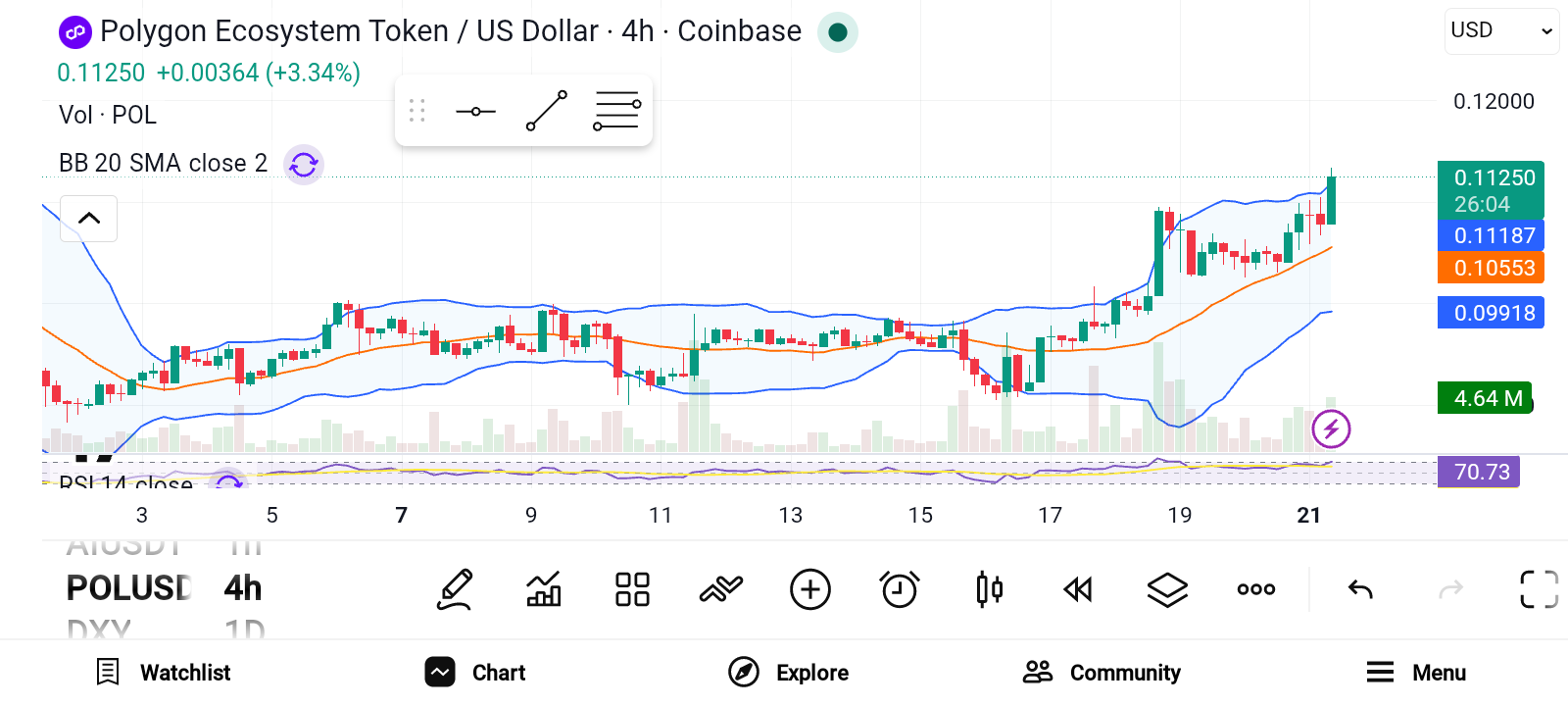
Polygon aims to make Ethereum faster, cheaper, and more accessible. The network supports developers building decentralized applications, including DeFi platforms and NFT marketplaces. Its broad ecosystem gives users access to various blockchain-based services. Polygon has also established partnerships with major global brands, strengthening public awareness of the project. POL currently operates in a market environment where attention has declined. However, development across the Polygon ecosystem continues despite reduced hype. The team continues improving network infrastructure and expanding blockchain capabilities. This contrast between quiet market sentiment and ongoing progress deserves attention. If demand returns, renewed ecosystem activity could support interest in POL.
Bitcoin Cash (BCH)
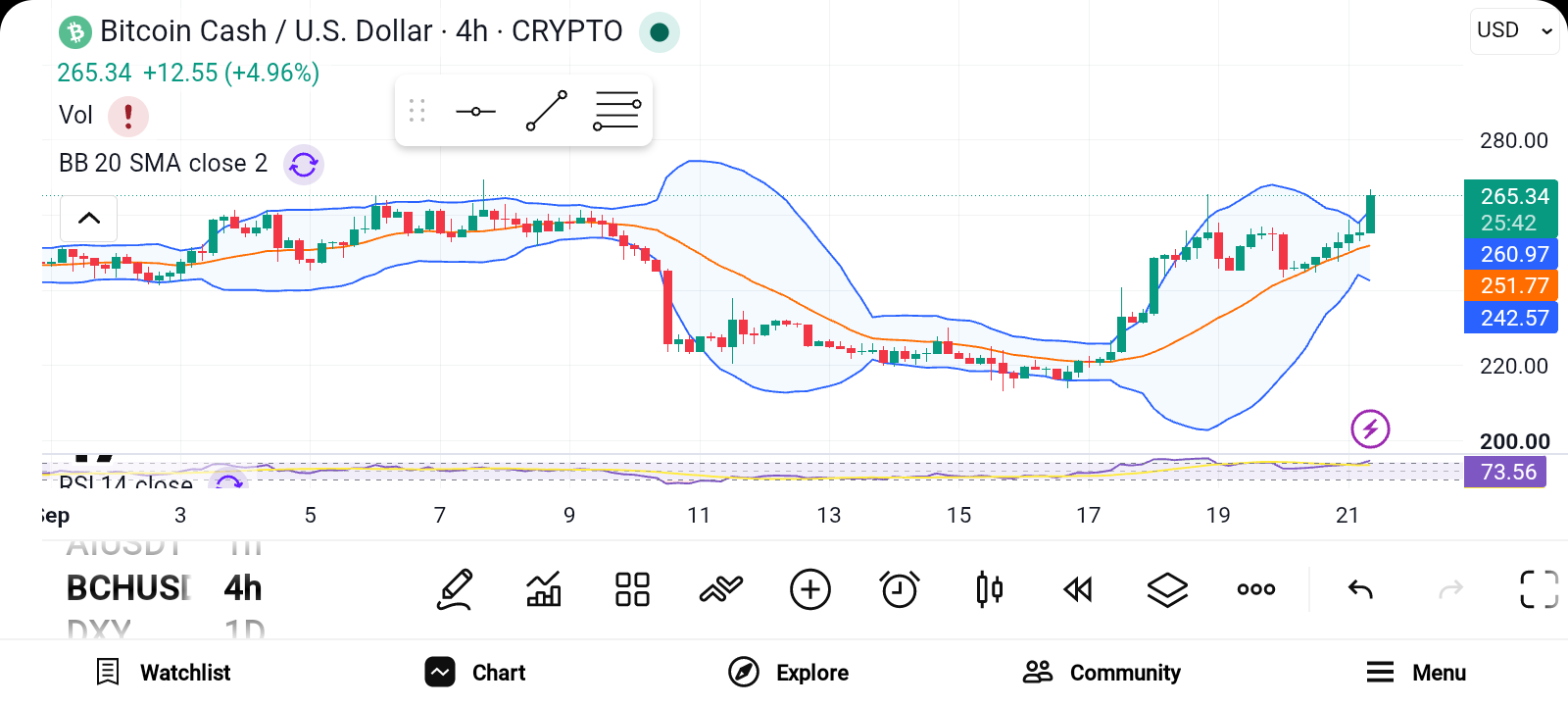
Bitcoin Cash emerged from a Bitcoin hard fork in 2017. The project sought to make cryptocurrency more practical for everyday payments. BCH uses larger blocks to support higher transaction capacity and lower fees. These features appeal to businesses and individuals seeking efficient digital transfers. Unlike projects focused on complex applications, Bitcoin Cash emphasizes straightforward payment utility. The network offers a familiar cryptocurrency brand and an established market presence. BCH also maintains broad exchange support and access to various payment services. These advantages could help sustain demand during periods of increased payment adoption. However, competition from other payment networks remains a key consideration. Investors should examine transaction activity, merchant usage, and broader market conditions. A rise in payment adoption could strengthen the project’s long-term relevance.

Ethereum (ETH)
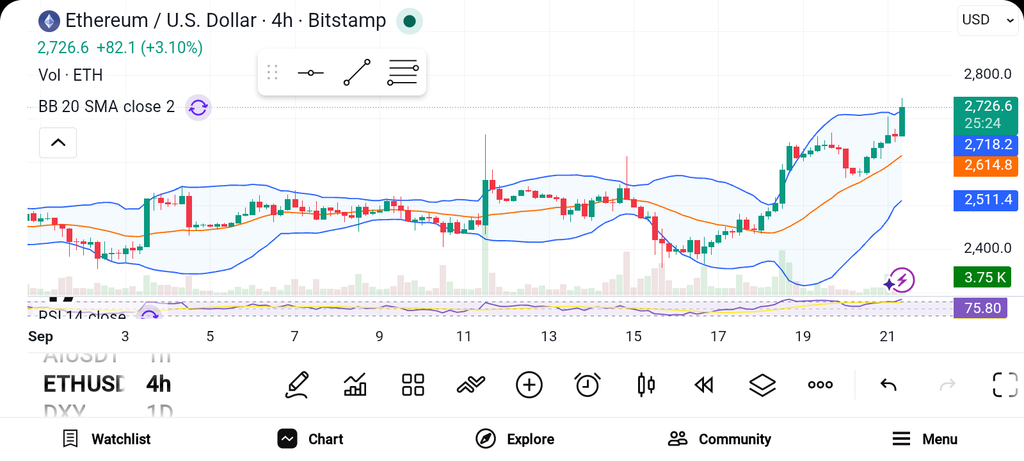
Ethereum remains a major foundation for decentralized finance and blockchain applications. The network supports smart contracts, stablecoins, tokenized assets, and numerous decentralized platforms. Developers continue building on Ethereum because of the security and liquidity surrounding the ecosystem. Ethereum’s transition toward staking has changed how participants secure the network. Meanwhile, layer-2 networks help expand transaction capacity and reduce costs for users. Ethereum’s mainnet continues providing settlement and security infrastructure for these applications. Institutional investment products may also broaden access to ETH among traditional investors. ETH could attract renewed demand during a broader crypto market recovery. However, competition, network fees, and regulatory developments remain important factors. Investors should evaluate market conditions before considering any accumulation strategy.
Polygon combines ongoing development with a growing blockchain ecosystem. Bitcoin Cash focuses on fast, affordable cryptocurrency payments. Ethereum supports much of the decentralized economy through smart contracts and settlement infrastructure. All three projects offer distinct opportunities and risks for investors to research.