
- LUNA supports Terra stablecoins through token burns, staking, governance, and network rewards.
- Polkadot connects separate blockchains, enabling faster transactions and greater cross-chain compatibility.
- Dogecoin is a meme-inspired cryptocurrency with unlimited supply, community support, and payment utility.
The current breed of investors often look beyond Bitcoin for new opportunities. Many altcoins offer different features and serve unique purposes. Some focus on payments, while others improve blockchain technology or support decentralized finance. Among the many options available, LUNA, DOT, and DOGE continue to gain attention for very different reasons. Each project brings something distinct to the market and helps show how diverse the cryptocurrency space has become.
Terra (LUNA)

LUNA is the native coin behind the Terra blockchain. Terraform Labs created Terra to support a decentralized finance ecosystem built around stablecoins. Stablecoins aim to maintain steady values, which makes them more practical for everyday transactions than many volatile cryptocurrencies. LUNA plays a key role in maintaining stablecoin price levels. When demand for Terra’s UST stablecoin increases, part of the LUNA supply gets burned. This process helps support balance within the system. Holders also benefit from activity across the network. Every UST transaction creates a small fee, and those rewards flow to LUNA holders. Terra operates on a Proof of Stake model. This approach uses less energy than many traditional mining systems. Validators help secure the network, and voting power depends on how much LUNA each validator holds. Because of this structure, community members can participate in governance decisions that shape future development.
Polkadot (DOT)

Polkadot focuses on solving a major challenge in blockchain technology. Many networks cannot easily communicate with one another. Polkadot addresses that problem by allowing information to move between different blockchains, including Bitcoin and Ethereum. A major strength comes from a structure called parachains. These connected blockchains handle part of the network’s workload. As a result, traffic does not depend entirely on one main chain. This design reduces costs and improves transaction speed. Compared with several older cryptocurrencies, Polkadot processes transactions much faster. Greater efficiency makes the network attractive for developers and projects that require quick performance.

Dogecoin (DOGE)
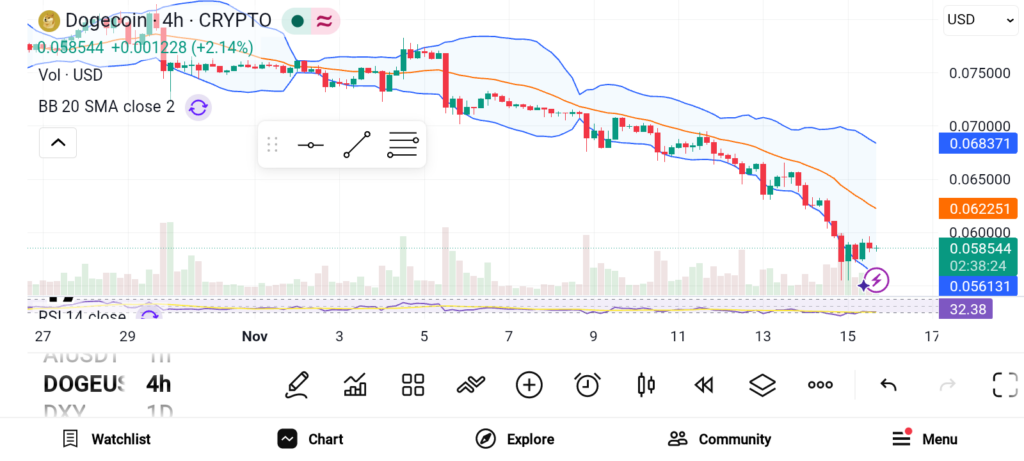
Dogecoin began as a lighthearted project inspired by a popular internet meme. Creators Billy Markus and Jackson Palmer launched the coin in 2013 without expecting massive success. Years later, strong public interest and celebrity support helped drive widespread adoption. Despite a playful image, Dogecoin functions much like many other cryptocurrencies. Miners verify transactions, users send payments directly, and blockchain technology records every transfer. Such features allow payments without traditional banking fees. One important difference separates Dogecoin from Bitcoin. No fixed supply limit exists. New coins can continue entering circulation over time.
LUNA, DOT, and DOGE each serve different purposes within the cryptocurrency market. LUNA supports stablecoins and decentralized finance activity. DOT focuses on connecting blockchains and improving efficiency. DOGE remains popular as a payment-focused cryptocurrency with strong community support and broad public recognition.