
- RENDER targets rising AI and GPU demand through decentralized computing infrastructure.
- TAO builds decentralized machine learning networks through expanding subnets and developer participation.
- HNT supports decentralized wireless infrastructure through 5G, IoT, and DePIN adoption.
The next crypto bull run could reward projects solving real problems. Some altcoins already target major trends beyond simple speculation. Render, Bittensor, and Helium stand out for different reasons. Each project links blockchain technology with growing demand for digital infrastructure. Render focuses on GPU power, while Bittensor targets decentralized machine learning. Helium builds wireless networks through community-owned hardware. None can guarantee huge returns, but strong adoption could support major growth.
Render (RNDR)

Render Network connects GPU providers with artists and AI developers needing computing power. AI training and digital rendering require massive amounts of GPU capacity. Render offers a decentralized marketplace for that demand. The project also benefits from growing interest in AI infrastructure. Partnerships with creative companies could provide another source of network growth. RENDER carries medium risk because the network already has real-world usage. The token also trades through RENDER/USDT perpetual futures on Margex. Render targets growing GPU demand from AI and creative workloads.
Bittensor (TAO)
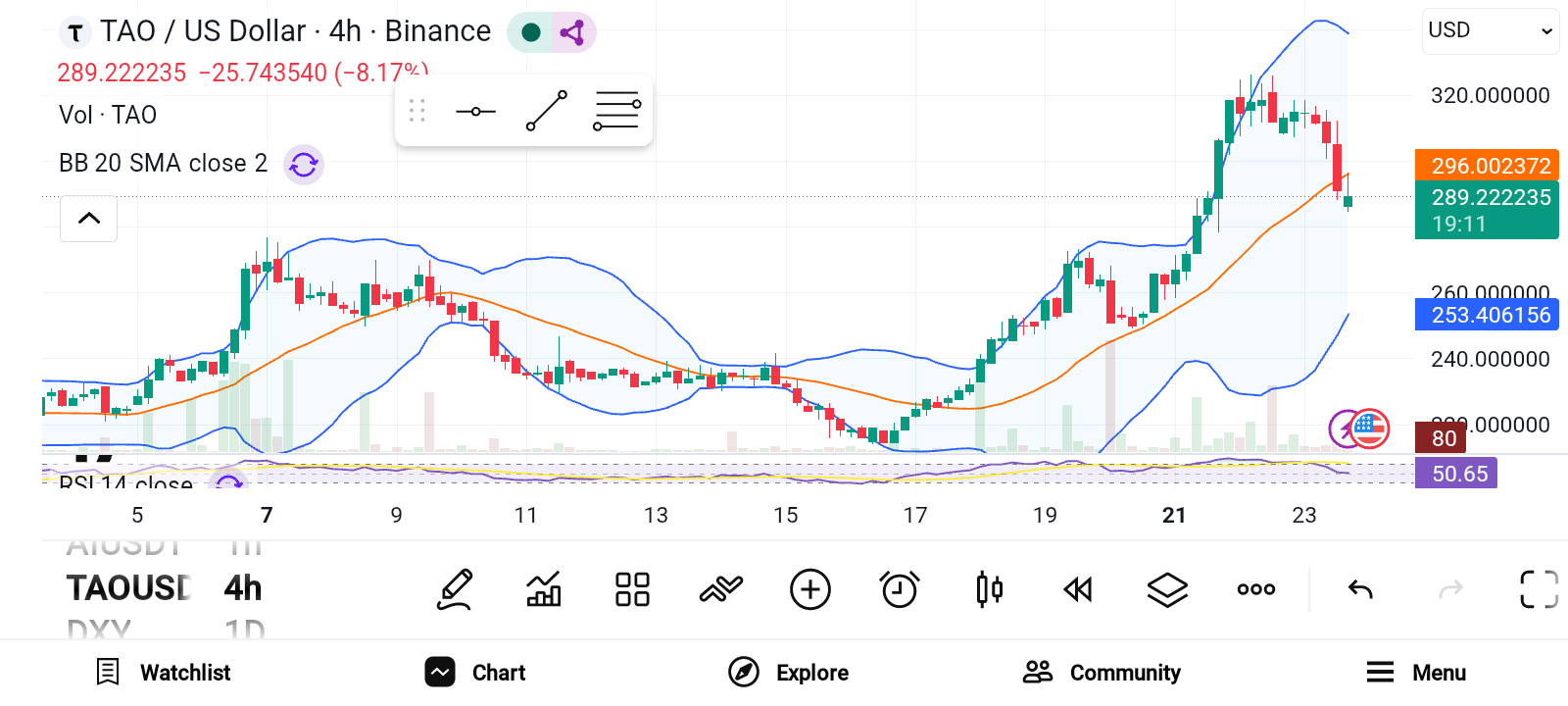
Bittensor takes a different approach by building a decentralized machine learning network. Developers can create specialized subnets for different AI-related tasks. Participants receive TAO rewards based on contributions within the network. Growing subnet activity could increase demand across the wider ecosystem. More developers could also strengthen the network as AI adoption expands. TAO carries medium-high risk because the technology remains complex and specialized. Traders can access TAO/USDT perpetual futures through Margex. Bittensor focuses on decentralized machine learning and expanding subnets.
Helium (HNT)
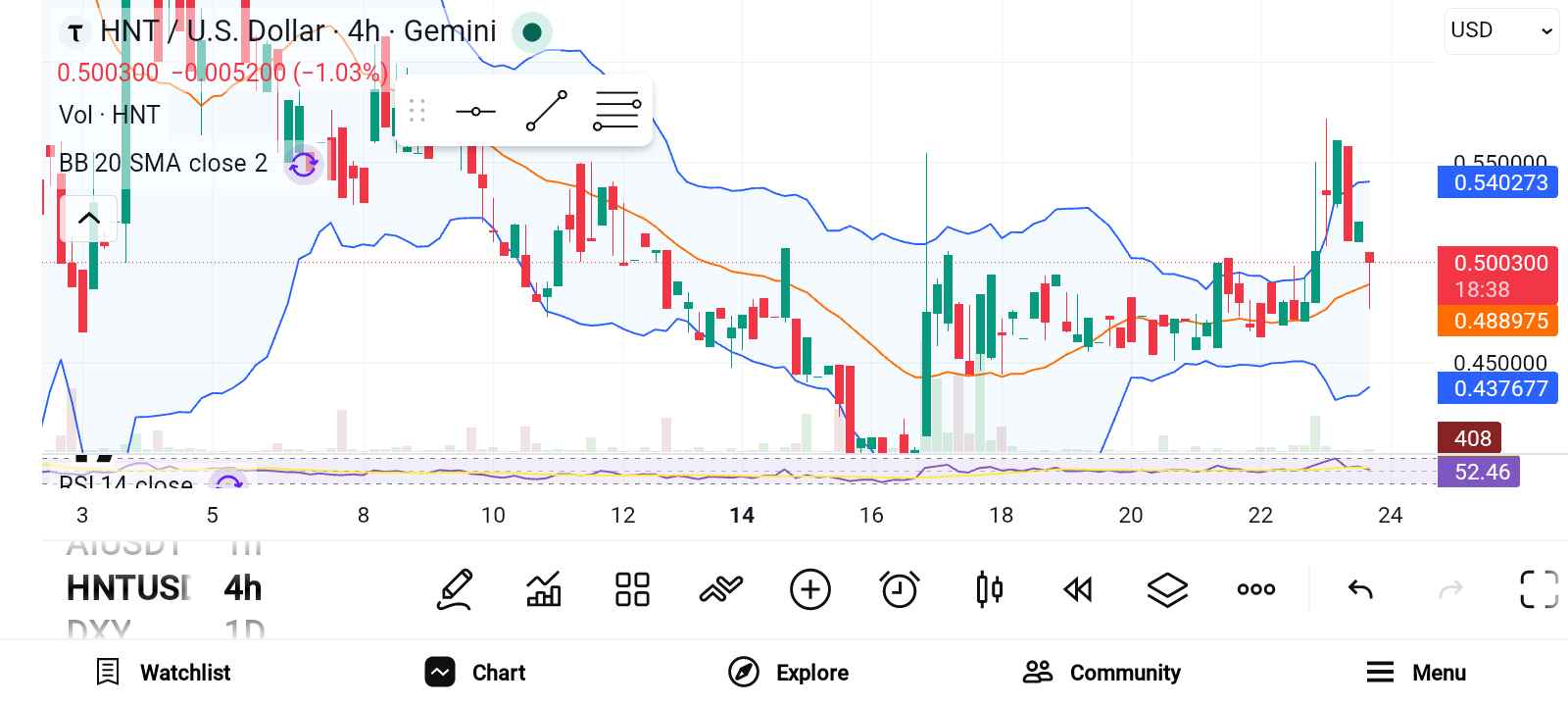
Helium focuses on decentralized wireless infrastructure rather than AI computing. The project supports community-powered networks using deployed physical hardware. After moving to Solana, Helium expanded beyond LoRaWAN toward broader wireless services. The project also targets 5G coverage and Internet of Things connectivity. Enterprise adoption could strengthen network activity as decentralized infrastructure gains attention. HNT carries medium risk because Helium already operates a real network. HNT/USDT perpetual futures are also available through Margex. Helium builds community-powered wireless infrastructure for broader connectivity.

Why These Altcoins Matter
These three projects target different parts of the growing digital infrastructure market. Render focuses on GPUs, Bittensor focuses on machine learning, and Helium focuses on connectivity. That diversity gives traders several ways to track the next crypto cycle. However, a 10x or 100x return remains highly speculative. Market conditions, adoption, token supply, and competition can change outcomes quickly.
Render offers exposure to decentralized GPU demand and AI workloads. Bittensor offers a blockchain-based model for decentralized machine intelligence. Helium provides exposure to physical wireless networks and DePIN growth. Together, these projects show how crypto can connect digital assets with real infrastructure. All three offer upside potential, but investors face substantial market and adoption risks.