
- Chainlink: Decentralized oracle infrastructure supports DeFi, tokenized assets, and growing blockchain adoption.
- NEAR Protocol: Scalable technology, low fees, and AI ambitions strengthen NEAR’s growth potential.
- Polygon: Ethereum scaling, ZK-powered chains, and ecosystem development support POL’s long-term prospects.
Crypto traders are watching altcoins closely as market momentum starts to strengthen. Several established projects show stronger narratives and useful network growth. Chainlink, NEAR Protocol, and Polygon stand out among names worth watching. Each project serves a different role across blockchain infrastructure and applications. Their growing adoption could support stronger demand if broader market conditions improve. Still, traders should watch price action, liquidity, and market sentiment before making decisions as markets search for clearer direction.
Chainlink (LINK)
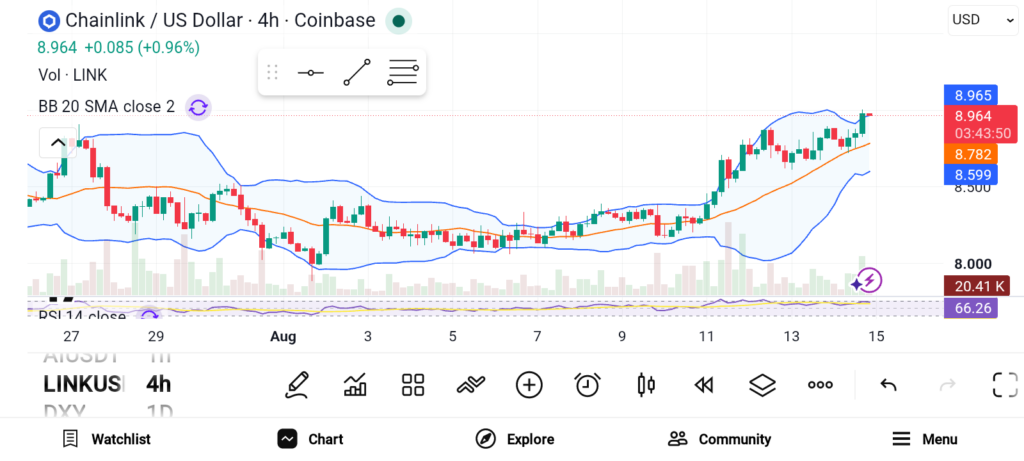
Chainlink remains one of the most important infrastructure projects in crypto. The network connects blockchains with data from outside their native environments. Smart contracts often need accurate prices, weather readings, and event results. Chainlink provides that information through a decentralized network of independent node operators. These operators collect, verify, and deliver data to supported blockchains. LINK supports network payments and staking, giving the token a direct utility role. Chainlink also serves many protocols across several blockchain ecosystems. That broad integration gives LINK a strong position if decentralized finance expands. DeFi platforms, tokenized assets, and other applications need dependable external information. Chainlink’s established network gives the project an advantage in that growing market.
NEAR Protocol (NEAR)
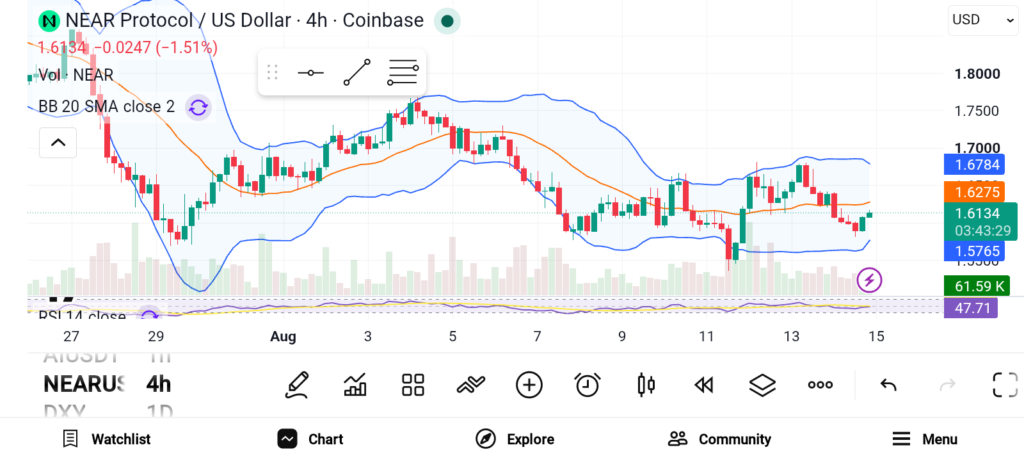
NEAR Protocol takes a different approach by focusing on usability and developer access. The Layer 1 blockchain uses Nightshade sharding to improve network capacity. Sharding divides blockchain workloads across smaller sections for more efficient processing. NEAR also keeps transaction costs low for users and developers. Human-readable account names further simplify the experience for new users. The project has also increased attention toward artificial intelligence applications. That AI focus could give NEAR another growth path as both sectors develop. NEAR’s combination of scalability, low fees, and AI ambitions makes the token worth watching. Strong developer activity could therefore remain an important catalyst for future demand.

Polygon (POL)
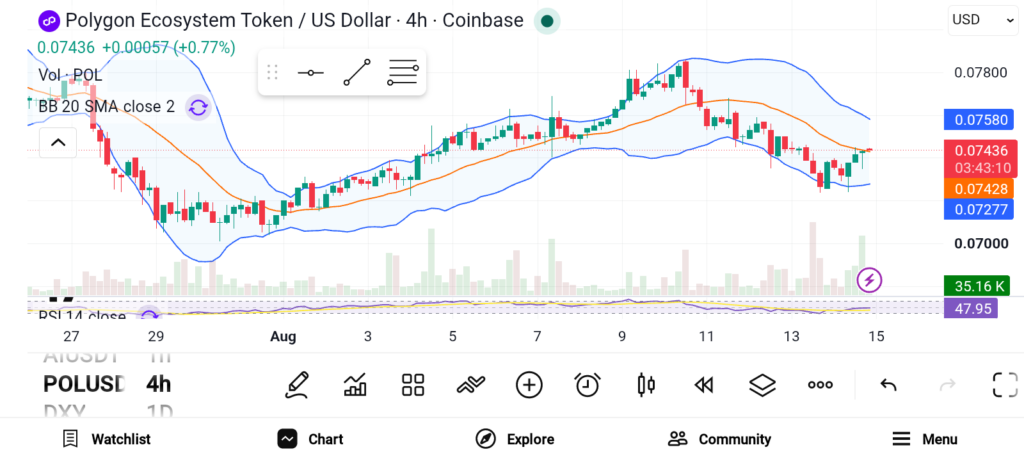
Polygon continues to build around Ethereum scaling and broader blockchain adoption. The network offers faster and cheaper transactions while settling activity on Ethereum. Developers use Polygon for decentralized applications, games, and NFT projects. The project replaced MATIC with POL in 2024 during the Polygon 2.0 transition. POL supports the broader vision of an interconnected network of ZK-powered chains. That strategy could strengthen Polygon’s role as demand for scalable infrastructure rises. Polygon’s expanding architecture gives POL a potential growth angle beyond basic transaction scaling. Continued ecosystem development could also improve the token’s long-term appeal.
LINK, NEAR, and POL each serve important roles within blockchain infrastructure. Chainlink focuses on external data, while NEAR targets scalable applications and AI. Polygon concentrates on Ethereum scaling and connected ZK-powered networks. Stronger adoption across these areas could help all three tokens gain momentum.